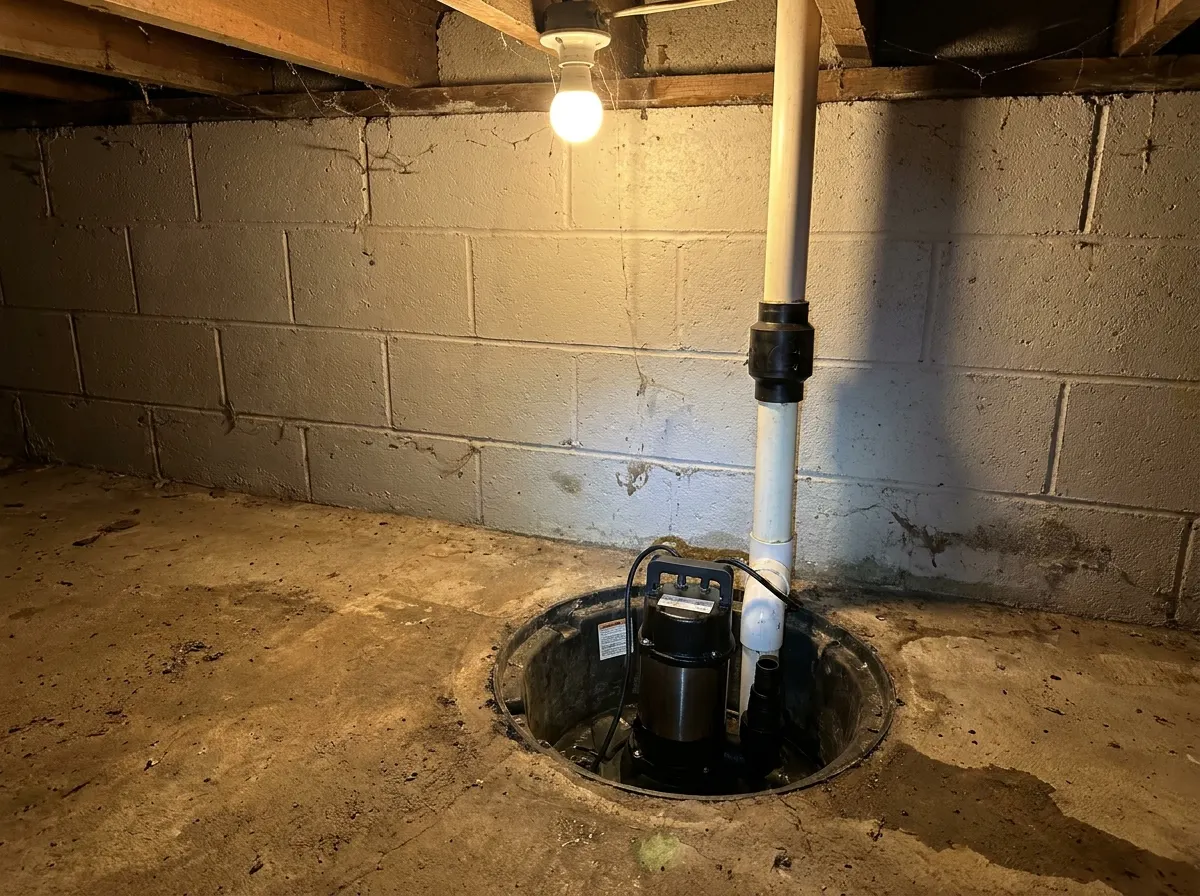
When a sump pump becomes part of the conversation
Not every basement needs a sump pump, but several situations make one worth considering.
A contractor may bring up sump pump installation or replacement when:
- Water is pooling on the basement floor after heavy rain
- An existing pump has failed, is running constantly, or is more than several years old
- Interior drainage tile is being installed and needs somewhere to discharge
- The foundation drain system required by code needs a pump to move water to an approved outlet
- A crawl space encapsulation system includes a drainage component
Louisville averages about 48 inches of rain a year, with the wettest months running from March through May. Events like the August 2009 storm, when 4.53 inches fell at the airport with 3 inches in a single hour, can overwhelm drainage systems quickly. In April 2025, more than 7 inches of rain fell in five days and pushed the Ohio River to its 8th-highest crest on record at Louisville. A functioning sump pump is one of the more practical things a homeowner can have in place before those events happen.
The MSD sewer connection rule: what you need to know
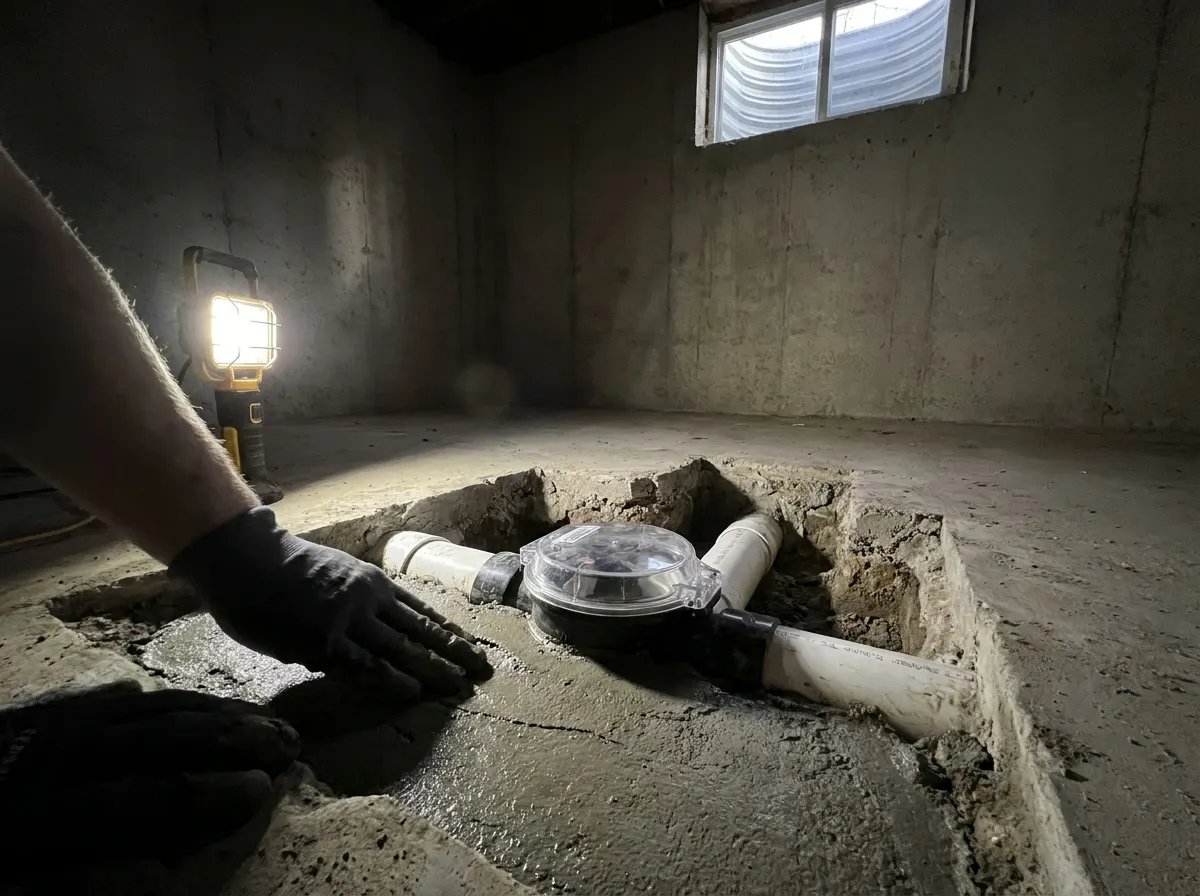
This is one of the most important things to understand before any sump pump work is done in Louisville.
Connecting a sump pump to the sewer is illegal in Louisville. MSD says those connections overload the pipes and contribute to basement backups during heavy rain. Louisville has a mix of older combined sewers, which carry both storm water and wastewater in one pipe, and newer separate storm sewers. Heavy rain can overload both systems, and illegal sump connections make it worse.
If your current pump discharges into the sewer, MSD will pay to disconnect and redirect it, up to a limit, for owners who do it voluntarily. MSD pays the contractor directly after the work passes inspection. Homeowners who do not disconnect pay a monthly surcharge on their sewer bill until they do.
If you are not sure where your pump currently discharges, that is one of the first things to ask a contractor.
Where the water has to go instead
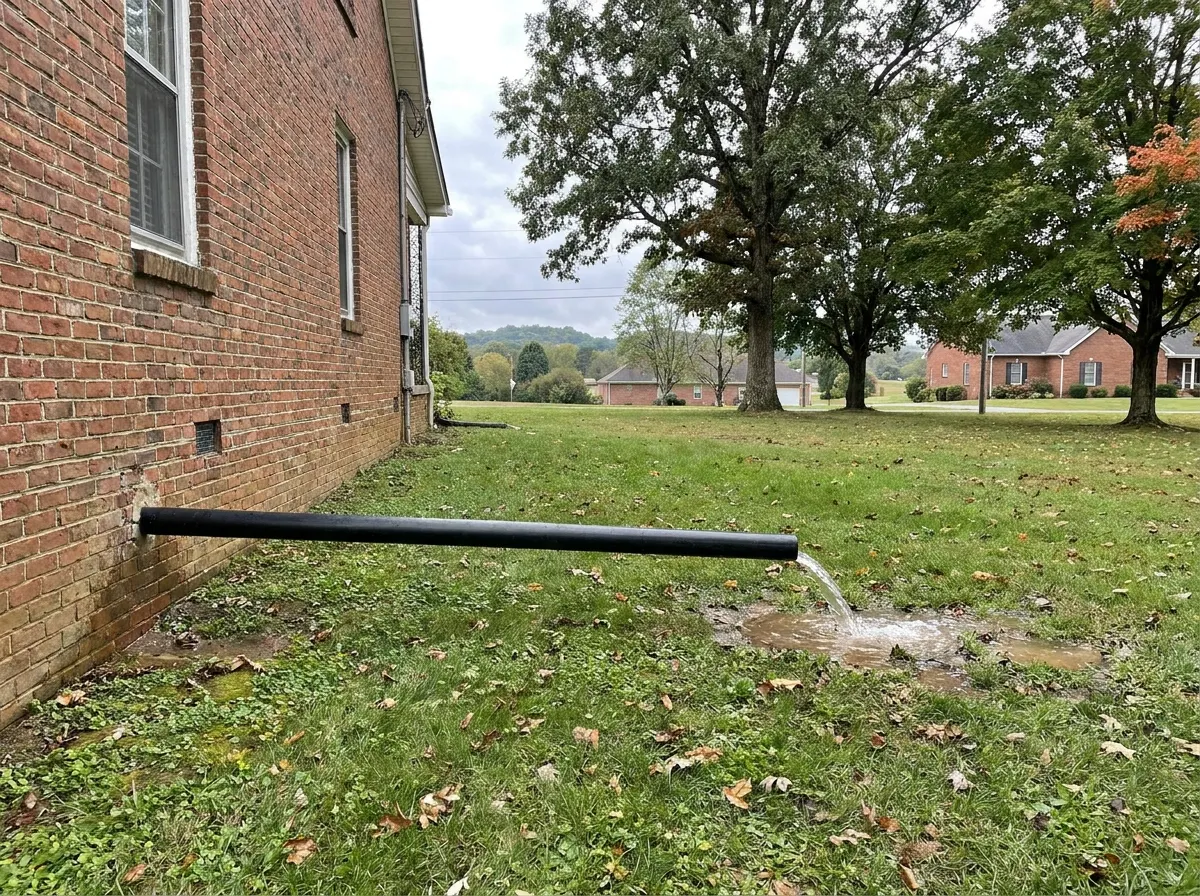
Sump water has to go outside, not into the sewer. Your contractor should route it so it drains away from the house without causing problems next door.
The Kentucky code says the ground should fall at least 6 inches in the first 10 feet away from the foundation. Proper discharge routing works with that grading requirement rather than against it. Where the water ends up matters, and a good contractor will think through the whole path.
A sump pump that quits before a storm is a serious problem.
When it runs constantly or stops working altogether, you spend every rainy night wondering what you'll find in the morning. That worry adds up fast.
The right sump pump, properly installed, handles what Louisville storms throw at it. You sleep through the rain without thinking twice about your basement.
Talk to a Local ProYou'll reach one of Louisville's top-rated sump pump contractors, free quote, no obligation. Call (502) 660-8764
Backflow valves: a separate device worth knowing about
A sump pump and a backflow valve are two different things that address two different problems.
A backflow valve lets wastewater flow out of the home but closes if sewer water tries to flow back in. If sewer water has backed up into your basement during heavy rain, call MSD at 502-540-6000 and ask what backup-prevention help is available. That is a separate conversation from sump pump installation, but the two often come up together when a homeowner is dealing with a wet basement.
Permits and what to ask before work starts
Plumbing work falls under state licensing requirements, and the permit question depends on the scope of what your contractor is proposing. Ask your contractor whether a permit applies to the specific job. Louisville Metro requires contractors to be licensed locally with proof of liability insurance, and it is illegal to work without one. If your home is in Jeffersontown, permits go through the City of Jeffersontown rather than Louisville Metro. For general permit questions, Louisville Metro Construction Review is at (502) 574-3321.
What affects the cost and how to choose a contractor
Cost depends on whether this is a straightforward pump replacement or a larger scope that includes new drainage tile, discharge line routing, or electrical work. A battery backup system, which keeps the pump running during power outages, adds to the cost and is worth asking about, since storms can knock out power.
The Kentucky Attorney General's advice applies here as it does to any home repair: get more than one written estimate, ask for proof of insurance, make sure the contract spells out the scope and cost, resist high-pressure "sign today" pricing, and do not pay the full amount up front.
Frequently asked questions
How do I know if my existing sump pump needs to be replaced?
A pump that runs constantly, makes unusual noises, fails to turn on when water is present, or is visibly corroded is worth having a contractor look at. Age matters too, though a contractor can give you a better read on the specific unit in your basement than any general rule of thumb.
Can I use a sump pump and a backflow valve together?
Yes, they address different problems and can work alongside each other. A sump pump removes water that collects in the pit. A backflow valve prevents sewage from entering through the drain lines during a sewer backup. If you have had both water intrusion and sewer backup issues, ask your contractor about both, and call MSD at 502-540-6000 to ask about backup-prevention options.
Does sump pump replacement qualify for the MSD disconnection program?
The MSD program applies when a pump is currently connected to the sewer and the owner wants to disconnect it voluntarily. If you are installing a new pump that will be routed correctly from the start, ask your contractor and MSD directly what applies to your situation.
Stop worrying every time the radar lights up.
Call now or fill out the form to get connected with one of Louisville's top-rated sump pump installation contractors.