Signs your crawl space may need attention
Crawl space problems often show up inside the house before anyone looks underneath it.
Worth having a contractor look at:
- A musty or earthy smell coming up through the floors, especially after rain
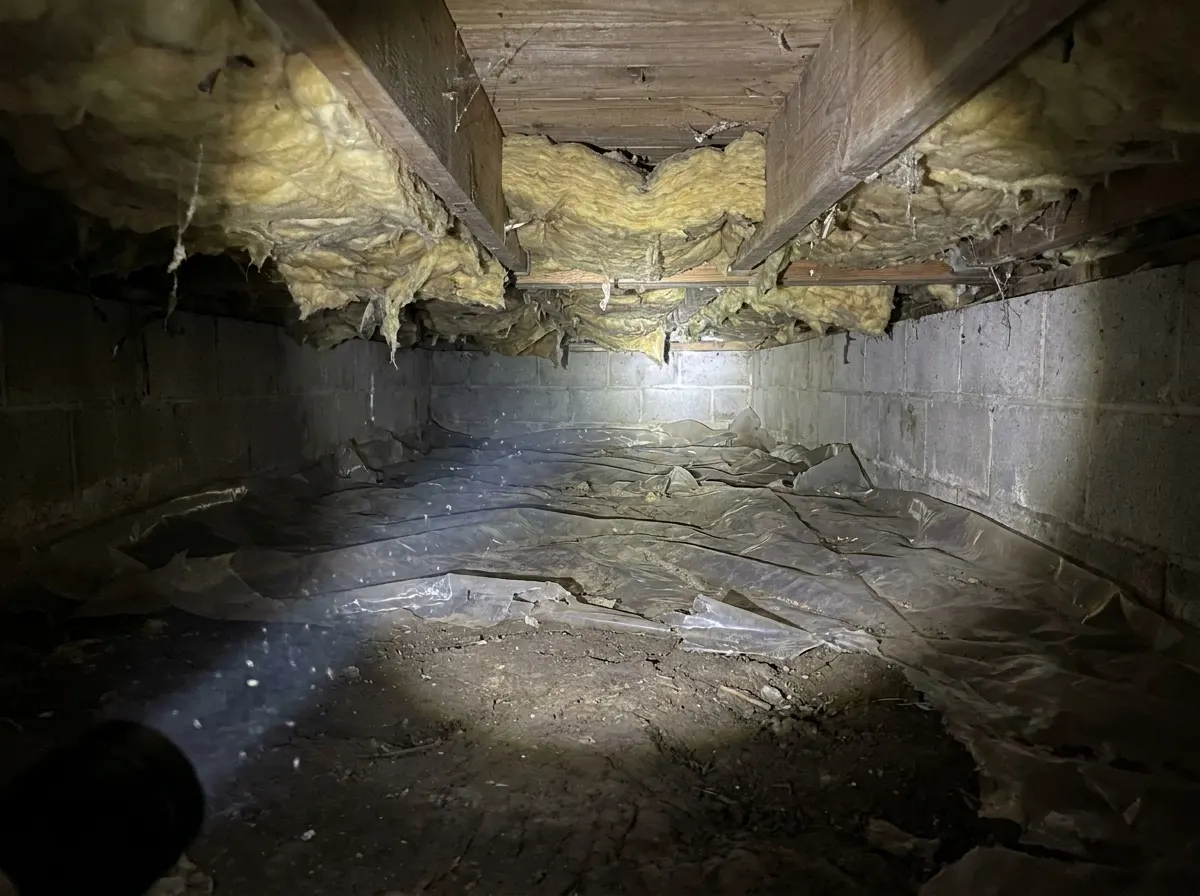
- Damp insulation hanging down or falling off the floor joists
- Soft spots or a slight bounce in the floors above
- Condensation on pipes, ductwork, or the wood framing under the house
- Standing water or a consistently wet dirt floor
- Higher-than-usual heating and cooling bills with no other obvious cause
These signs do not always mean the crawl space needs full encapsulation, but they are a reason to get eyes on the space.
Why crawl spaces get damp in Louisville
Louisville, KY averages about 48 inches of precipitation a year, with March through May being the wettest stretch. May alone averages about 5.2 inches. When that much rain falls on clay-heavy soil, the ground around and under a crawl space stays saturated for extended periods.
The USDA soil survey for Jefferson County shows that shrink-swell clay is the most common limitation for homes with basements in this area. Wet clay soil can keep a crawl space damp long after a rain.
Grading matters too. The Kentucky code says the ground should fall at least 6 inches in the first 10 feet away from the foundation. When the ground slopes toward the house instead of away from it, water runs straight to the crawl space. Low-lying areas of the county, including parts of Okolona, sit in the Pond Creek floodplain, which was formerly swampland and can be slow to drain.
Louisville's humid summers add another layer. Warm, moist outdoor air flows into a vented crawl space and hits cooler surfaces, and condensation forms. That moisture feeds mold, deteriorates wood, and makes the space feel perpetually damp even when it has not rained recently.
That musty smell coming through your floors is telling you something.
A damp crawl space pushes humid, stale air right up into the rooms where your family lives. Soft spots in the floor mean the moisture has been sitting there long enough to matter.
Encapsulation seals out the moisture and gives you clean, dry air moving through your home. The floors feel better underfoot and the musty smell fades.
Talk to a Local ProYou'll reach one of Louisville's top-rated crawl space contractors, free quote, no obligation. Call (502) 660-8764
Vented crawl spaces, sealed crawl spaces, and what the code says
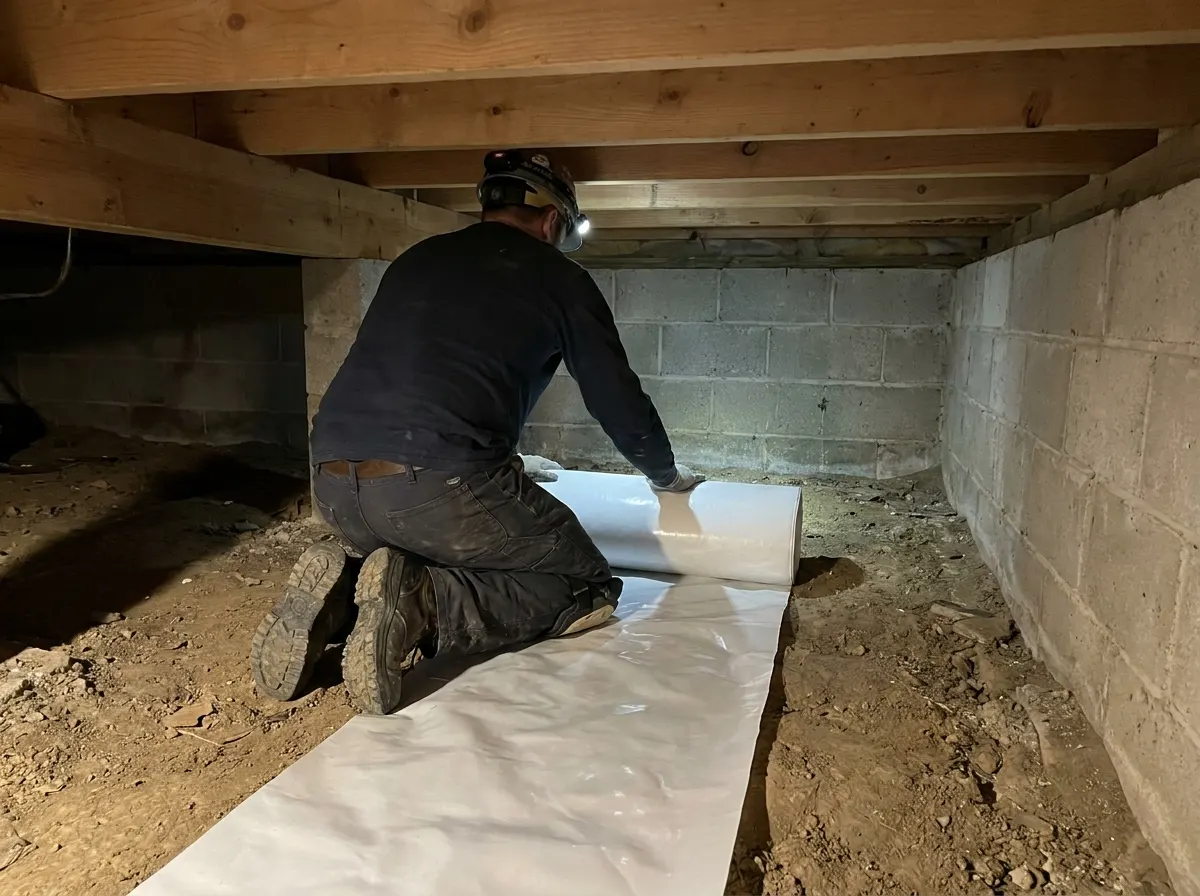
The Kentucky Residential Code, based on the 2015 International Residential Code with Kentucky's own changes, allows a sealed (unvented) crawl space when the ground is fully covered with a continuous vapor retarder sealed at the seams and run up the walls, and the space is either conditioned or mechanically ventilated. That is the code basis for crawl space encapsulation.
There is an important exception for flood-prone areas. MSD notes that homes on crawl spaces in flood-prone areas should have flood vents so water can pass through instead of building pressure against the foundation. A fully sealed crawl space in a flood zone is a question to raise directly with your contractor and, if needed, with MSD. Ask your contractor whether a permit applies to the work.
What the job usually involves
Encapsulation is not a single product. It is a system, and what a contractor proposes will depend on what they find when they look at your specific crawl space.
Options a contractor may suggest include:
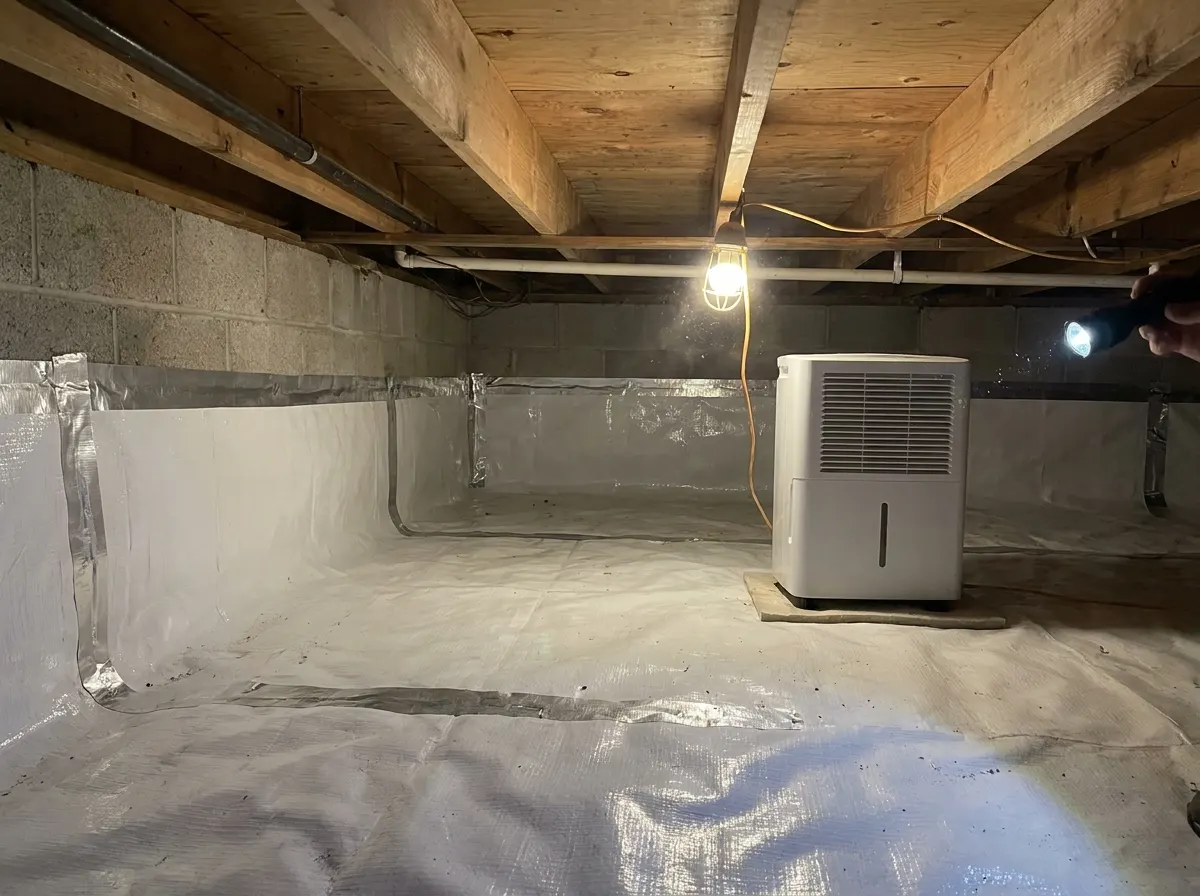
- A heavy-duty vapor barrier covering the entire dirt floor, sealed at the seams and run up the foundation walls
- Sealing vents and rim joists to limit outside air from entering
- A dehumidifier sized for the space to manage ongoing moisture
- A sump pump or interior drainage system if water is entering through the floor or walls
- Repair or replacement of damaged insulation, wood, or ductwork found during the assessment
Some contractors address all of this in one scope; others quote the moisture control and any structural or mechanical repairs separately.
What affects the cost and how to choose a contractor
Cost depends on the size of the crawl space, how much water is present, what condition the existing framing and insulation are in, and how much drainage or mechanical work is needed alongside the encapsulation itself.
Louisville Metro requires contractors to be licensed locally with proof of liability insurance. Ask to see both before work begins. Get more than one written estimate, make sure the contract spells out exactly what is included, and do not pay the full amount up front. Those are the Kentucky Attorney General's standard recommendations for any home repair job.
Frequently asked questions
Will encapsulating my crawl space help with musty smells inside the house?
Moisture in a crawl space often carries odors up through the floors. Sealing the space and controlling humidity can reduce those smells significantly, though the result depends on how much moisture is present and whether there is any mold that needs to be addressed first.
Does crawl space encapsulation also fix a structural problem with my floors?
Encapsulation controls moisture but does not repair wood that is already soft or damaged. If a contractor finds deteriorated joists or beams, that is typically a separate repair. Ask the contractor to note any structural concerns during their assessment.
Is a permit required for crawl space encapsulation?
It depends on the scope of work. Ask your contractor whether a permit applies to the specific job they are proposing.
A dry crawl space changes how your whole home feels.
Call now or fill out the form to get connected with one of Louisville's top-rated crawl space encapsulation contractors.